
IOCG EXPLORATION · ONTARIO, CANADA
A gold and critical mineral IOCG project in a world-class mining camp
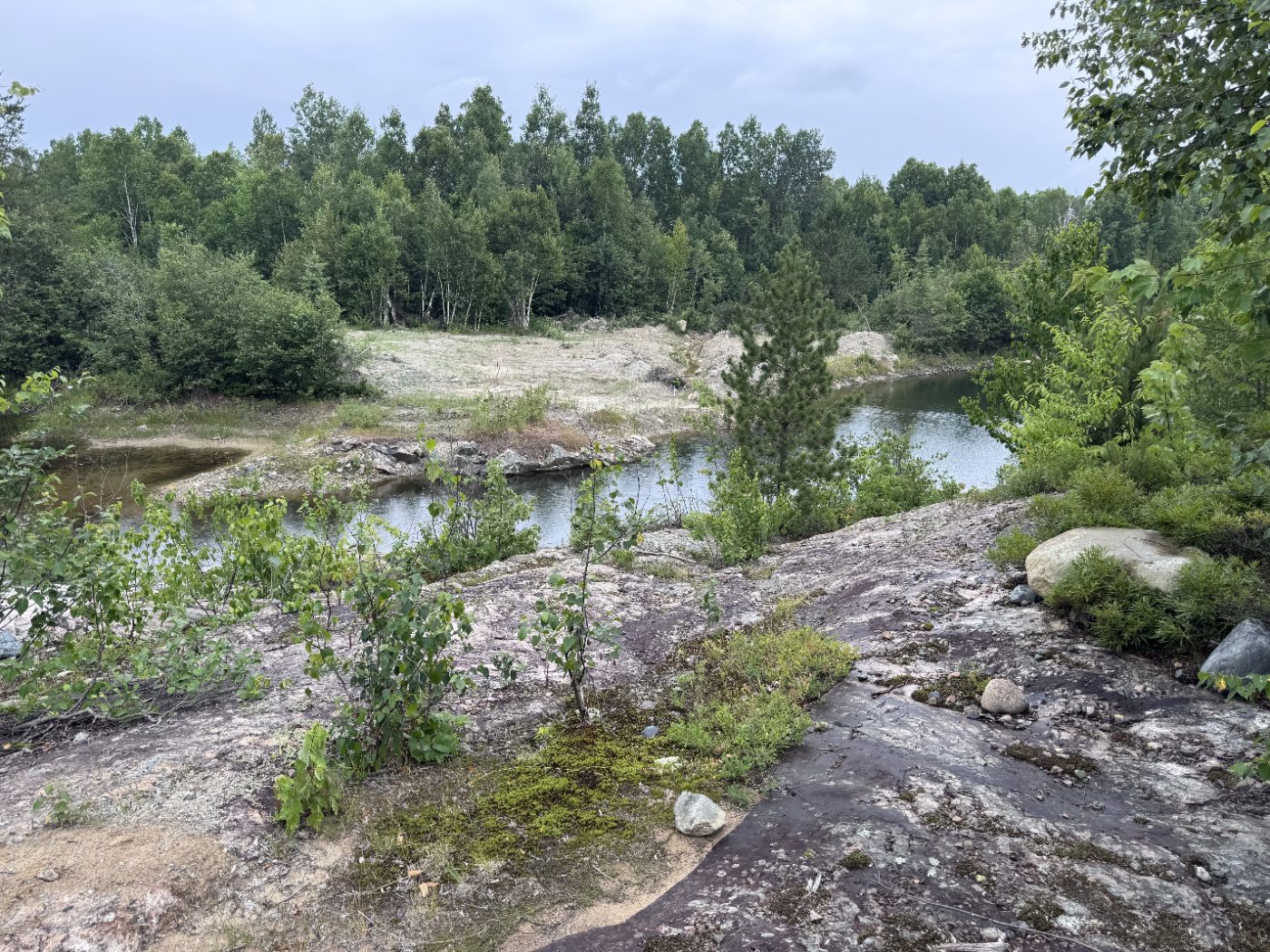
Canuc Resources Corporation holds a 100% ownership interest in the East Sudbury Project (ESP), located 20 km northeast of Sudbury, Ontario, in a Tier 1 mining jurisdiction. ESP is developing both exploration and gold production work initiatives today.
- 20,078 ha
- 100% owned
- Au · Cu · Co · PGM · U
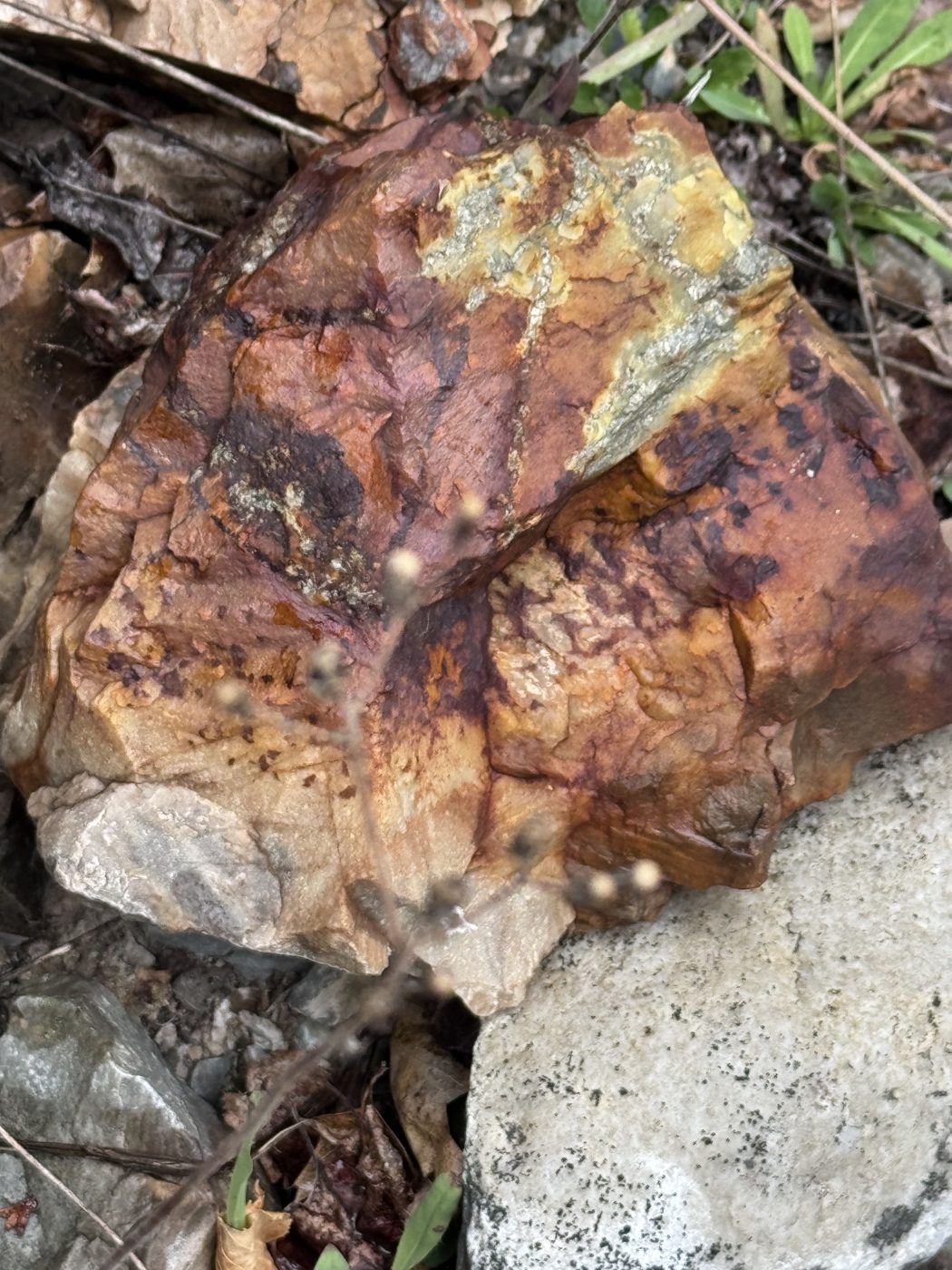
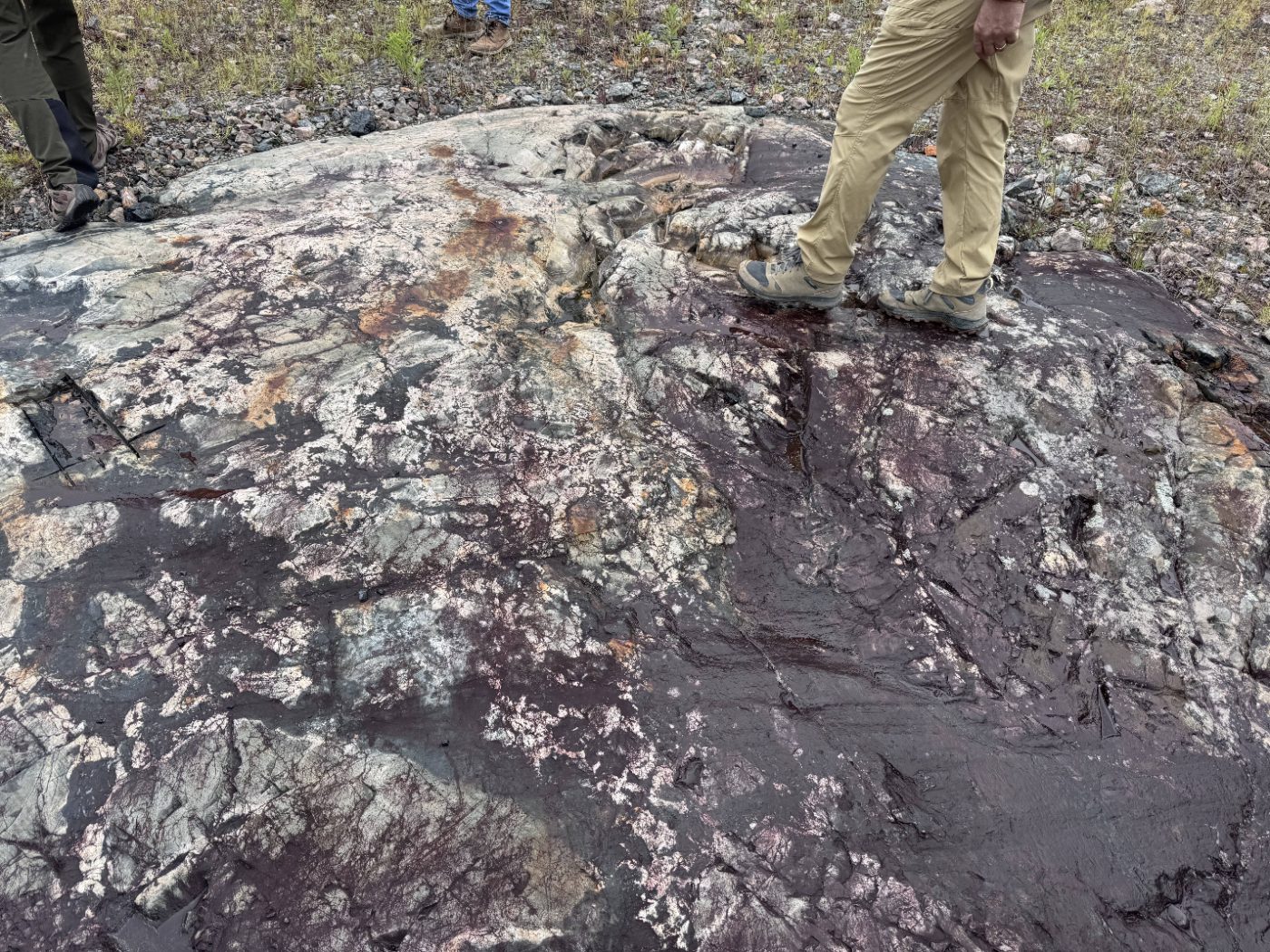
McLaren Fault Zone · IOCG deposit type potential along more than 12.5 km of strike on the Alwyn copper-gold trend.
WORLD-CLASS POTENTIAL · IOCG
ESP has world-class potential
Dr. Louise Corriveau (Geological Survey of Canada) first proposed in 2007 that the smaller scale gold and copper deposits found in the eastern Sudbury region may be derived from the Iron Oxide Copper Gold (IOCG) classification of ore deposits. The implications of this could be profound for the geological and economic potential of gold, copper and critical mineral deposits in the area.
Since most of the gold-copper deposits in the Sudbury area are small and inactive, they have received little research pertaining to their origin. The only deposit to receive research into the mineralization style is the Scadding Gold Mine, which is located within Canuc’s East Sudbury Project. Schandl and Gordon (2007) determined that the Scadding Gold Mine and surrounding area fulfils all of the classification criteria for an IOCG deposit type ore genesis model.
The ESP encompasses several areas of gold, copper and critical mineral mineralization which are today interpreted to be related to a mineral system that has formed IOCG and affiliated critical and precious mineral deposits. Included within the Project is the historical Scadding Gold Mine and associated gold mineralized system and the gold bearing tailings.
MCLAREN FAULT ZONE · CU-AU
McLaren Fault Zone
There is a rapidly growing body of evidence supporting the potential for an IOCG deposit within an emerging MIAC (Metasomatic Iron and Alkali-Calcic) mineralized system on the Alwyn copper-gold trend within the ESP. The Alwyn copper-gold trend parallels the McLaren Fault Zone (MLFZ), which extends for over 12.5 km of strike length, trending NNW, across the north central portion of the company’s claims.
A MIAC system is a geological formation where fluids from deep within the Earth’s crust alter rocks, replacing their original composition with iron-rich and alkali-calcic minerals. These systems are associated with Iron Oxide-Apatite (IOA), IOCG and related deposits, making them significant targets for critical metal exploration.
Historical drilling along the MLFZ has identified gold and copper as high as 1.5% Cu and 3 g/t Au. Gravity surveys, geological mapping and more recently seismic surveys supported and financed by the Geological Survey of Canada all form corroborative evidence of this potential. Pursuit of an IOCG discovery proximal to the Scadding Gold Mine and along the MLFZ is a central feature of the ESP exploration program.
ESP GOLD MINES · AU
ESP’s gold mines
ESP includes several past producing gold mines including the Scadding Gold Mine and the Orostar Gold Mine. These gold mines were reported to have extracted 178,706 tons of gold ore and recovered a total of 26,440 oz Au between 1984 and 1987. Head grades are estimated to have averaged in the range of 7–8 g/t Au. Gold was recovered using a dual circuit flotation gravity mill.
There is considerable scope to find multiple further high-grade gold bearing zones in the areas proximal to old mine workings. Defining these zones, and permitting them for profitable gold recovery operations, is now a central feature of the company’s go-forward strategy for developing the ESP. Verum Mining Consultants has been engaged to calculate a mineral resource for Gold Lens 1, and to support conceptual mine planning, scheduling and permitting. The mine is planned and not yet built.
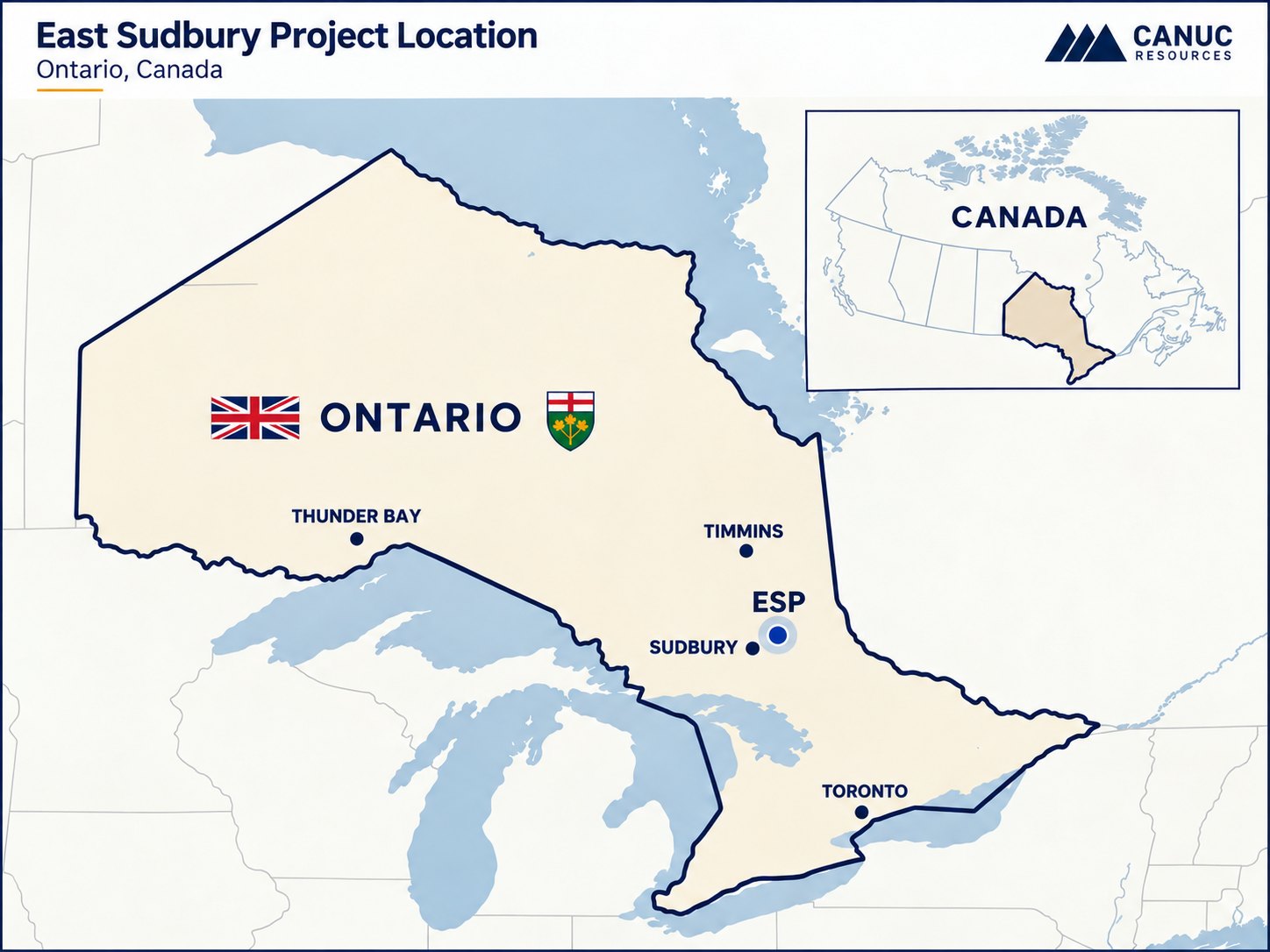
ESP spans 20,078 hectares east of the prolific Sudbury mining camp. This area benefits from extensive mining infrastructure, an abundance of qualified and experienced mineral industry professionals and several centres of mining and mineral processing excellence.
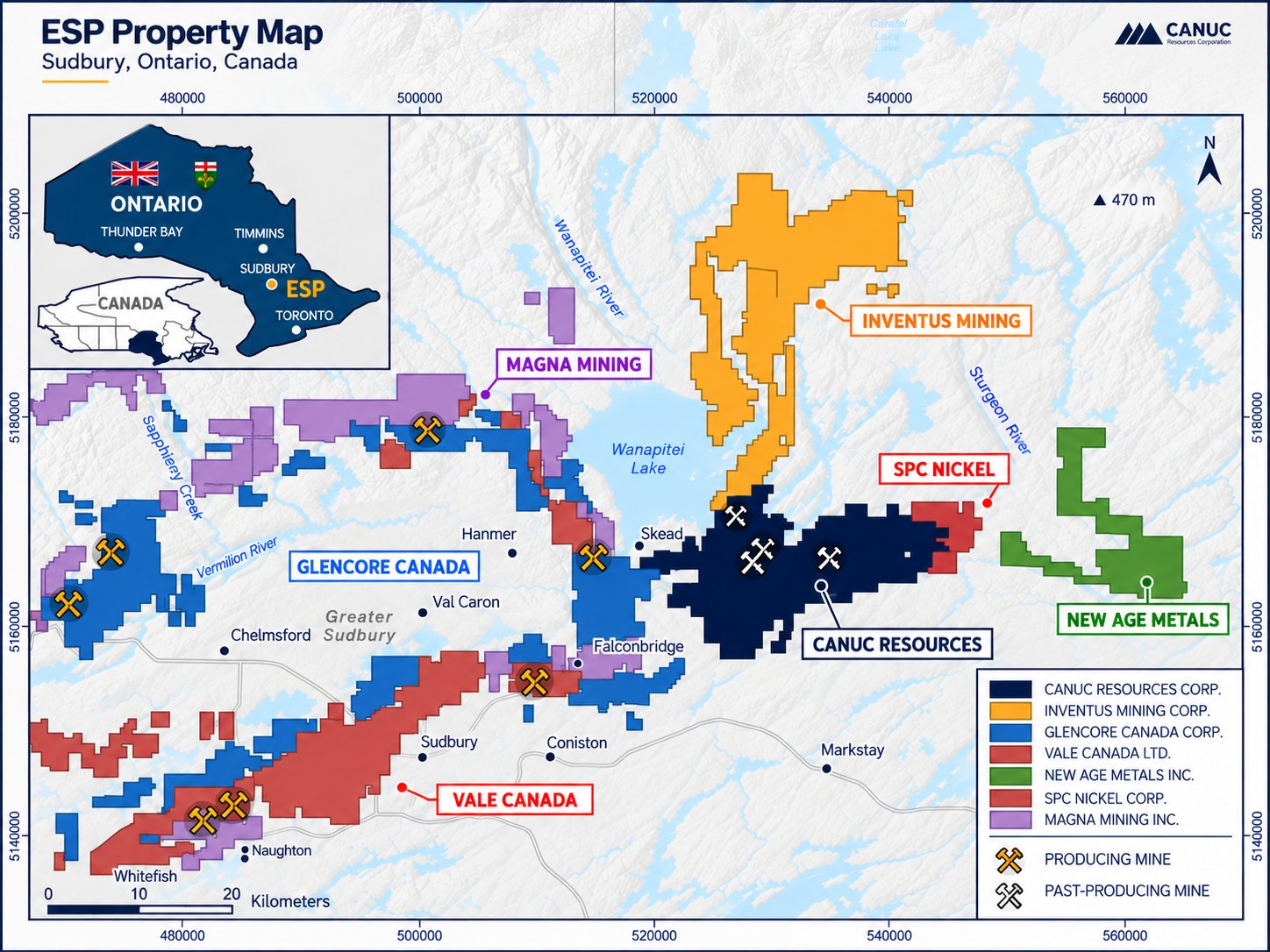
ESP is surrounded by claims and mining operations owned and operated by some of the world’s largest polymetallic mining companies: Glencore Canada Corp., Vale Canada Ltd., Magna Mining Inc., Inventus Mining Corp., New Age Metals Inc. and SPC Nickel Corp.
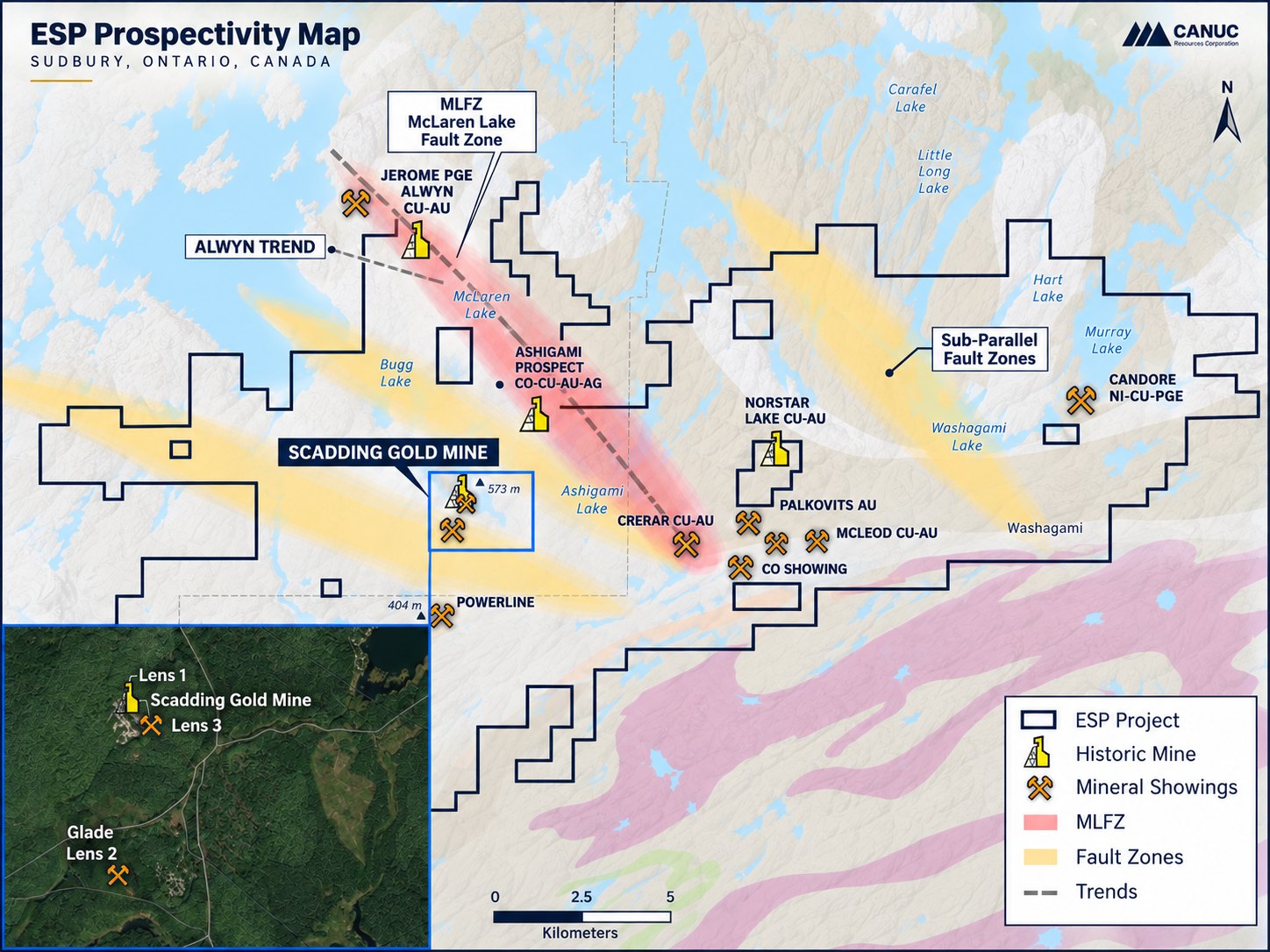
ESP claim map showing the McLaren Fault Zone (MLFZ), the past producing Scadding Gold Mine, other locally occurring past producing gold and copper mines and the Scadding gold bearing tailings. The project hosts several past producing gold and copper mines over three distinct mineralized trends with IOCG ore genesis potential.
“Iron associations, which are evidenced with gold and copper mineralization across the company’s East Sudbury Project (ESP), indicate the potential for larger-scale IOCG and MIAC deposit type sources. These iron associations have proven to provide a strong gravity contrast with the lighter host rock environment.”
Ref: Corriveau, L., 2007, Iron oxide-copper-gold deposits: a Canadian perspective, in Goodfellow, W.D. (ed.), Mineral deposits of Canada, Geological Association of Canada, Mineral Deposits Division, Special Publication 5, p. 307–308.
Ref: Schandl, E.S. and Gorton, M.P., 2007, The Scadding gold mine, east of the Sudbury Igneous Complex, Ontario: an IOCG-type deposit? The Canadian Mineralogist 45(6), 1415–1441.
Ref: NI 43-101 Technical Report for the SPJ Project, 18 October 2019.